5 Easy Ways to Exercise as You Age
Finding ways to get exercise as you get older is a smart and easy way to stay fit and improve your health.



A burst of freshness with sweet, tangy and savory flavors. This Simply Salad contest winning dish was submitted by Jay Cyr, UMass Memorial Medical Center, Worcester, MA.
Serves 4
Salad
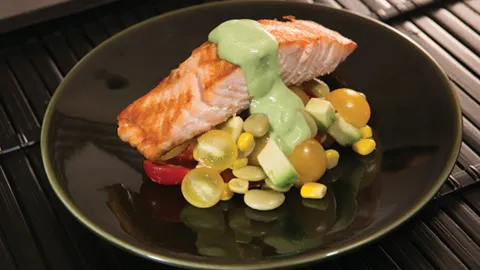
If you like salmon, you'll love it even more when it's drizzled with avocado cilantro lime dressing. This Simply Salad contest winning dish was submitted by Joey Cyr, UMass Memorial Medical Center, Worcester, MA
Serves 2


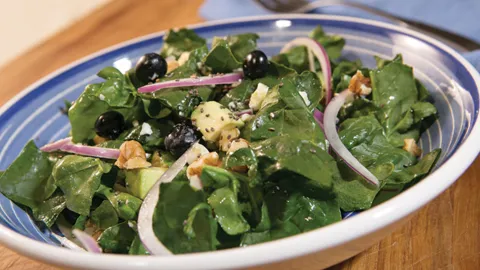
Your taste buds will welcome this sweet salad topped with fresh strawberries tossed with tangy raspberry vinaigrette. This Simply Salad contest winning dish was submitted by Lindsay Knight, UMass Memorial Medical Center, Worcester, MA
Serves 2


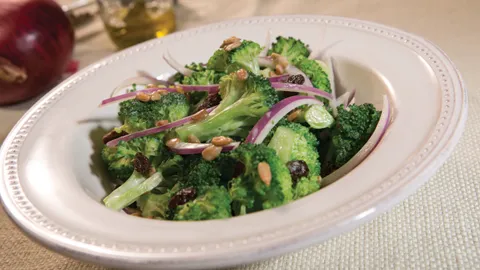
Just a few ingredients give your broccoli a flavor lift. This Simply Salad contest winning dish was submitted by Linda Ciccone, UMass Memorial Medical Center, Worcester, MA.
Serves 4
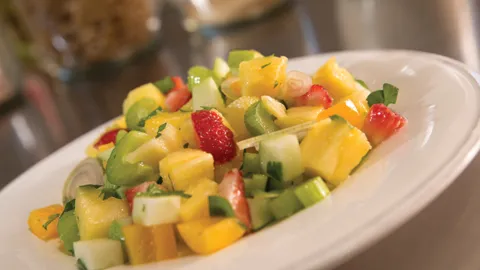
Enjoy this flavorful salad blending the flavors of pineapple, green apple and yellow pepper. This Simply Salad contest winning dish was submitted by Priscila Forteza, UMass Memorial Health - HealthAlliance-Clinton Hospital, Clinton, MA.
Serves 4