
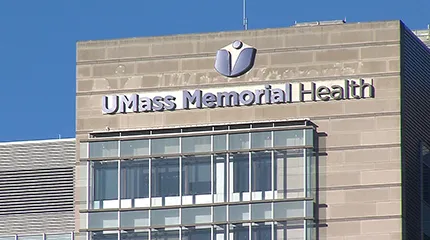
'It's a start:' UMass Memorial Health planning ER for Nashoba Valley following hospital closure last year
A new emergency department looks to fill the void left by the closing of Nashoba Valley Medical Center. The announcement...
Childbirth and Family Education Classes
Supporting Families in Central Massachusetts and Beyond
When you're preparing to welcome a baby, understanding what to expect can help you feel confident, informed and ready for this new stage of life. At UMass Memorial, our comprehensive childbirth education programs support you throughout the birth of your child.
Attend online sessions from home or come to our in-person classes at the Central Community YMCA (Worcester) or UMass Memorial Health – Milford Regional Medical Center.
Find In-Person Childbirth Classes by Location
We make it easy and convenient to get the information and education you...
HealthAlliance-Clinton Hospital Earns National Cancer Accreditation
UMass Memorial Health – HealthAlliance-Clinton (HA-C) Hospital recently earned accreditation from the Commission on...
UMass Memorial Health – Harrington Hospital to Participate in Davos Alzheimer's Collaborative US Fellowship Program
Southbridge, MA - UMass Memorial Health – Harrington Hospital is proud to announce that it has been selected as one of...

UMass Memorial Medical Group - Fairlawn Orthopedics
189 May Street,
Worcester, MA 01602
508-334-2145
UMass Memorial Medical Group - Fairlawn Orthopedics
South Central WIC (Women, Infant & Children)
WIC Eligibility Requirements
To qualify for WIC, you must meet the following requirements:
- Currently live in Massachusetts
- Have a child under five years old
- Are pregnant or breastfeeding
- Have a family income less than WIC Income Guidelines
Watch the video to learn about using your WIC card and Information about the WIC program.
Participants with Mass...