
Outpatient Joint Replacement – FAQs
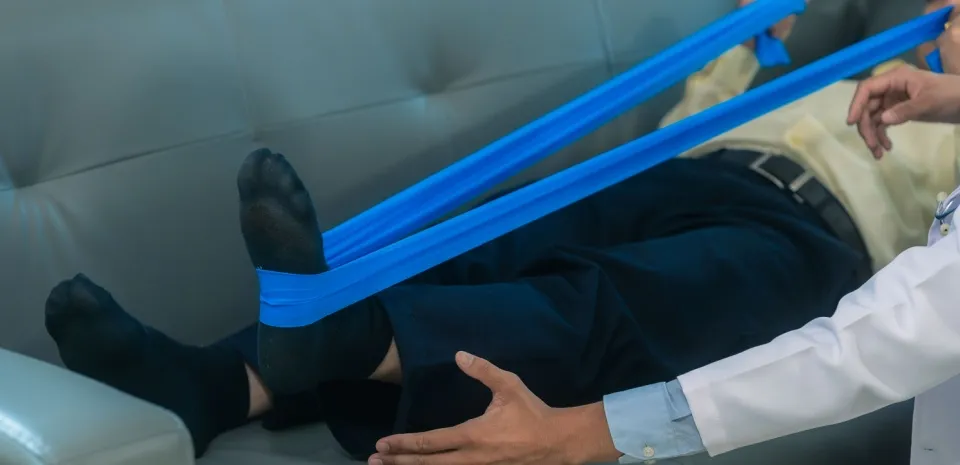
The very first hip replacement required a three-month stay in the hospital. Times have changed thanks to better pain control, more effective anesthesia, more refined surgical techniques, and more focused physical therapy before and immediately after surgery.
Today, for some, outpatient joint replacement is an option. This means having surgery with the goal of recovering at home the same day.
You shouldn’t have to plan your day around joint pain — skipping walks, avoiding stairs or saying “no” to things you used to enjoy. Below are answers to common questions to help you feel more prepared for outpatient joint replacement.
Outpatient Joint Replacement: Is It for You?
What is the difference between outpatient joint replacement and having the procedure as an inpatient?
Outpatient joint replacement means you’re discharged home the same day as surgery.
Inpatient joint replacement means you’re admitted to the hospital and stay at least one night for monitoring and recovery.
The American Academy of Orthopaedic Surgeons projects that more than half of joint replacements will be performed on an outpatient basis by 2026.
What joint replacements are done with same day surgery?
Orthopedic surgeons perform shoulder, hip and knee replacements on an outpatient basis.
Is it minimally invasive? Is minimally invasive also offered as an inpatient procedure?
Outpatient joint replacement can use minimally invasive techniques, but outpatient doesn’t automatically mean minimally invasive. Your surgeon decides what type of procedure is best for you.
And yes … minimally invasive approaches can be used whether you go home the same day or stay overnight.
How do I know if I qualify for same-day joint replacement?
Qualification is based on medical safety and home support, not just your preference. Your surgeon and anesthesiologist will look at several criteria that will determine if outpatient replacement is a good choice for you. These include age, health conditions, mobility before surgery and having someone support your recovery at home. Same-day procedures are safest when your medical risk is low and your home support is strong.
Is outpatient joint replacement as safe as staying overnight in the hospital?
Many studies show outpatient total joint replacement is safe when surgeons carefully select patients. If your surgeon believes you need overnight monitoring, that’s a safety decision, not a setback.
Can I be admitted if I’m not doing well after surgery?
Yes. If your plan is outpatient joint replacement, and your care team feels you’re not ready to go home, the plan can change. Things like needing more pain control, being nauseas or dizzy, or needing extra monitoring may require you to be admitted.
Do I need prehab/physical therapy before outpatient surgery?
Not everyone needs formal “prehab,” but many programs use presurgery education and movement prep to help you recover faster at home. Early, focused physical therapy before surgery and right after surgery supports faster recovery and fewer complications.
How long will I be at the surgery center/hospital?
This varies by procedure, anesthesia plan and how quickly you recover in the hours after surgery. You can head home once you’re fully recovered from anesthesia and it’s safe for you to leave with a ride. Expect it to take most of the day.
How do I know if I’m ready to go home?
Your care team ensures you’re ready to be discharged. They consider if you’re awake enough, your pain and nausea are under control, you can drink fluids, and stand and walk for short distances.
Do doctors use the same type of anesthesia as regular joint replacement?
Yes. Outpatient joint replacement uses the same anesthesia options as inpatient surgery, Anesthesia is tailored to the patient and monitored by an anesthesiologist. Advances help patients need less general anesthesia and recover after surgery.
Is outpatient covered by my insurance the same way as inpatient?
Your best bet is to talk to your surgeon’s office and your insurance plan about what your expected costs will be. Coverage varies widely.
Note: The content of this blog is for informational purposes only. It is not intended for use as diagnosis or treatment of a health problem or as a substitute for the professional consultation of a physician or qualified health care provider. If you have specific questions or concerns regarding a health or medical condition, contact your physician or a licensed health care professional.
You May Be Interested In

Daily Habits to Avoid Joint Pain

Drive Out Golf Injuries